

Learning About Wine Through Stories, Not Study Guides
I deeply admire sommeliers.
The amount of knowledge they carry is staggering—chemistry, agronomy, history, cooking, geography, service. Years of study, tasting, and discipline. They are experts, full stop. I never pass up an opportunity to have a sommelier help me choose a bottle, and I trust them completely when I do.
But that’s not what drew me to wine.
What pulled me in wasn’t the studying—it was the storytelling. The people who loved wine. The biographies and memoirs where wine simply existed as part of a life. Meals, travel, friendships, work, pleasure. Wine not as a subject to master, but as something woven into daily living.
My curiosity started with stories—and continues in tasting rooms and wine shops. I love hearing people share what a bottle means to them, why they love a vineyard, or how a wine became part of their life.
Wine as Lived Experience
Often, wine is framed as something you need to learn before you can enjoy it. Maps, charts, rules, and the right vocabulary. That approach works beautifully for professionals—but some of us stumble into it.
I didn’t get excited about it by tasting it – I wanted to try it because it was part of the stories I loved. I wasn’t learning about wine; I was reading a great story.
Joy Sterling’s A Cultivated Life was one of the first books that made wine feel accessible to me. It was about her daily life – learning wine, making wine, and the ups and downs. Her sequel, Vintage Feasting, celebrated food, parties, wine, and life. Wine was a part of the party, and there were no tests.
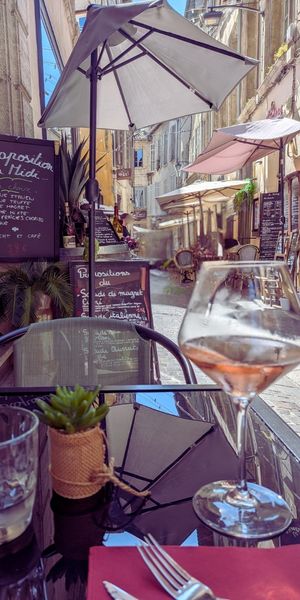
And then there’s A Year in Provence by Peter Mayle and its sequels, where wine is never the point—and that’s exactly the point. It’s assumed. Daily. Integrated into place and routine. By the time you’ve followed his renovations, enjoyed his afternoons by the pool, andexplored the towns with him, you feel like you know the food and wine—even if you’ve never tasted them.
Loving Wine is a Journey
Very few people set out to become “wine people.”
Wine attracts the curious—the ones who care about place, culture, history, and human choices. It rewards attention. You don’t need credentials to feel its pull; you just need to notice.
Jay McInerney’s A Hedonist in the Cellar captures this beautifully. It’s a novelist’s appreciation of wine – many places, many times. It’s about curiosity and enjoyment over correctness. And it’s a really fun read.
Cork Dork by Bianca Bosker also remains a favorite. It shows someone learning about wine in the intense world of restaurants and sommeliers—not as an insider’s memoir, but through the lens of fascination. I started diving into technical learning after reading stories like these — wondering why I liked certain wines, why they tasted the way they did.
That’s the version of wine that keeps me engaged. Not wine as achievement, but wine as discovery.
Where I’m Headed Next: Wine as Culture and Connection
The wine books calling to me now are still about people—about what it was like to buy wine before it was endlessly categorized, and how wine has shaped lives, economies, and culture over time.
Next on my list:
- Watching Widow Clicquot (based on a book by Tilar J. Mazzeo) — a true story of how one of the world’s most iconic champagne brands came to be.
- Adventures on the Wine Route by Kermit Lynch — buying wine by meeting growers, building trust, and learning by showing up. Wine learned through relationships, not rules.
- The Art of Eating by M.F.K. Fisher — not a wine book, but essential for understanding how food and drink influence how we live, remember, and connect. Wine appears here exactly as it should: naturally and memorably.
Wine, Reframed
Wine doesn’t need to be conquered to be enjoyed. (You know we think wine has too many rules). You don’t have to study it before you’re allowed to love it. You can stumble into wine—curious, imperfect, and open—and still end up connected to it.
Whether you’re reading about it, swapping stories in tasting rooms, chatting in restaurants, or cooking at home with friends, it’s the conversations and the experiences that create the real connection. You may not remember the exact breakdown of varietals in that white blend, but you’ll remember the laughter, the stories, and the people you shared it with.
And somewhere along the way, you learn anyway—without ever feeling like you were supposed to. How far you take it is up to you.